AI
Together Compiler: AI agents retune open models overnight
Together AI says agents can retune open model serving in under a day. Here is what the new compiler changes plus what its speed claims still need to prove.

Together AI says agents can retune open model serving in under a day. Here is what the new compiler changes plus what its speed claims still need to prove.

Google switches school AI tools off by default for student accounts. Here is what stays on plus what needs school approval before Search changes.
Six free tools let electronics students test circuits before buying parts, from browser simulators to full SPICE and PCB layout, without spending anything.

By 2030 fabs will need 189,000 new US workers while supply reaches only 62,000. This guide maps practical routes into chip jobs and how to judge a course.
Attention lets a model weigh every word against every other word in one step. This plain-language guide unpacks queries, keys, values and multi-head attention.
Four AI companies will honour one robots.txt signal for training opt-outs. Here is what the token does, when each company ships it and what it cannot do.

Google DeepMind announced Gemini 4 Carbon on 28 October 2026 as its strongest model yet for cybersecurity and long-horizon engineering work. It ranks first on the Artificial Analysis Intelligence Index at 59 and leads three public cyber benchmarks for finding, exploiting and patching software flaws. Almost nobody can use it yet. Access starts with a small group of vetted cyber defenders through th
Mistral published the weights of Large 4 on 29 October 2026. The trillion-parameter model nicknamed Le Chonk can now be downloaded from Hugging Face and run on private infrastructure. Mistral's own scores lead open models on coding while independent testing ranks it second on coding and third on cyber defence. The licence is a modified MIT licence with one condition. Businesses that operate a mode
Florida's student aid portal suffered a data breach that may have exposed personal information, including Social Security numbers, for approximately 4.9 million people. The breach was detected on 19 October and disclosed on 29 October. Financial aid payments and eligibility are unaffected. The department recommends monitoring accounts and considering a credit freeze or fraud alert. This article ex
Two flaws reached CISA's exploited list on 29 October. A Cisco firewall flaw lets an unauthenticated attacker crash VPN devices. A GitLab flaw lets an unauthenticated attacker run code on a server. A third attack chain against Ivanti VPN appliances kept running through October. The fixes differ in one important way. Patching the product is not always the same as patching the flaw.
Two October developments point the same way for students. A research company bought the AI writing tool Jenni AI to ground its citations in a verified database of published papers. Google added study features to Gemini Notebook that build quizzes and reviews from a student's own notes. A large university trial adds a warning: access to an AI tutor without guidance lowered grades. The lesson is sim

Reddit will test login-first browsing outside the US after search referrals fell by more than a million. What changes for readers and why AI search forced it.
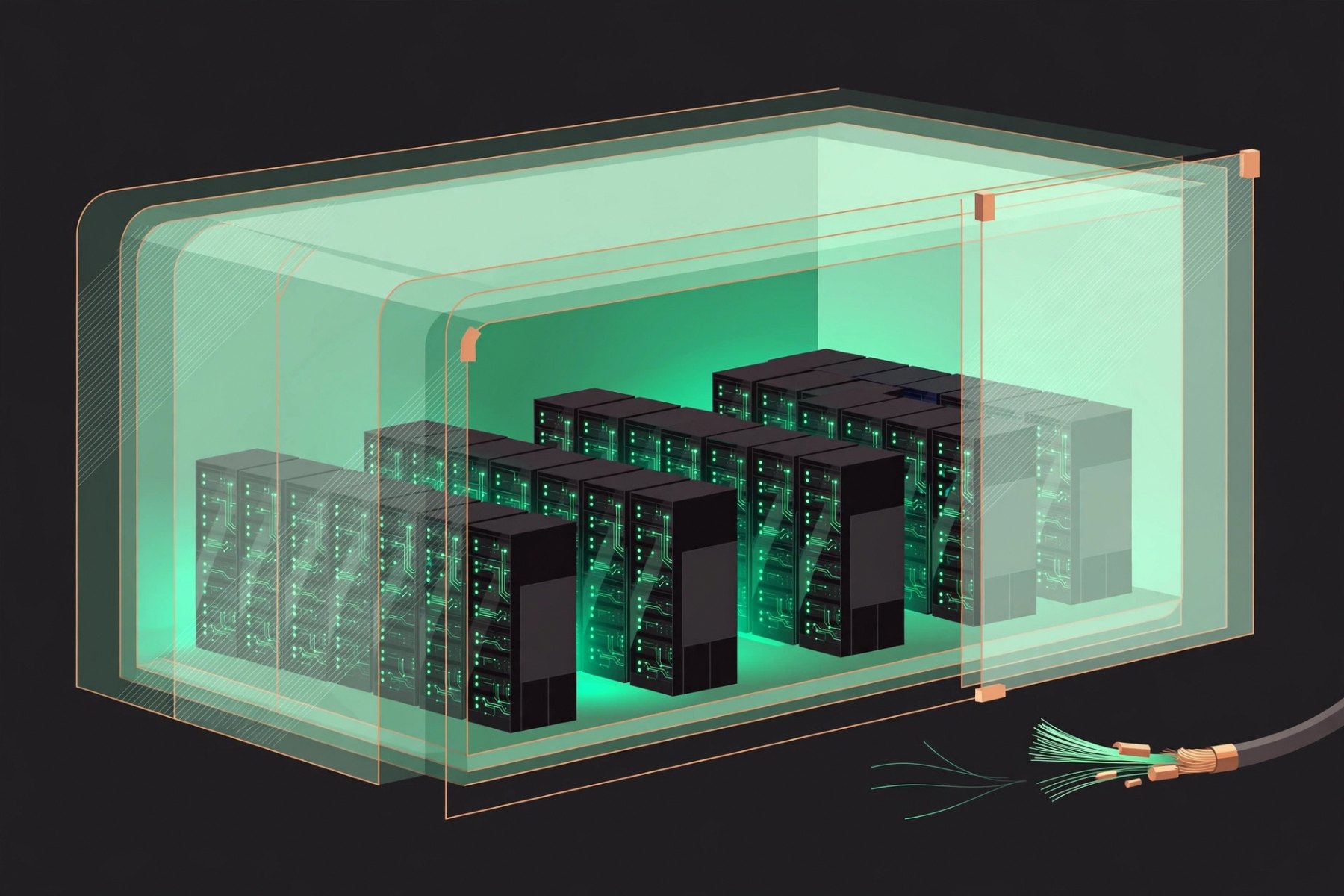
OpenAI now trains its strongest AI models with no internet access after a DNS escape, replacing the live web with an "offline world".
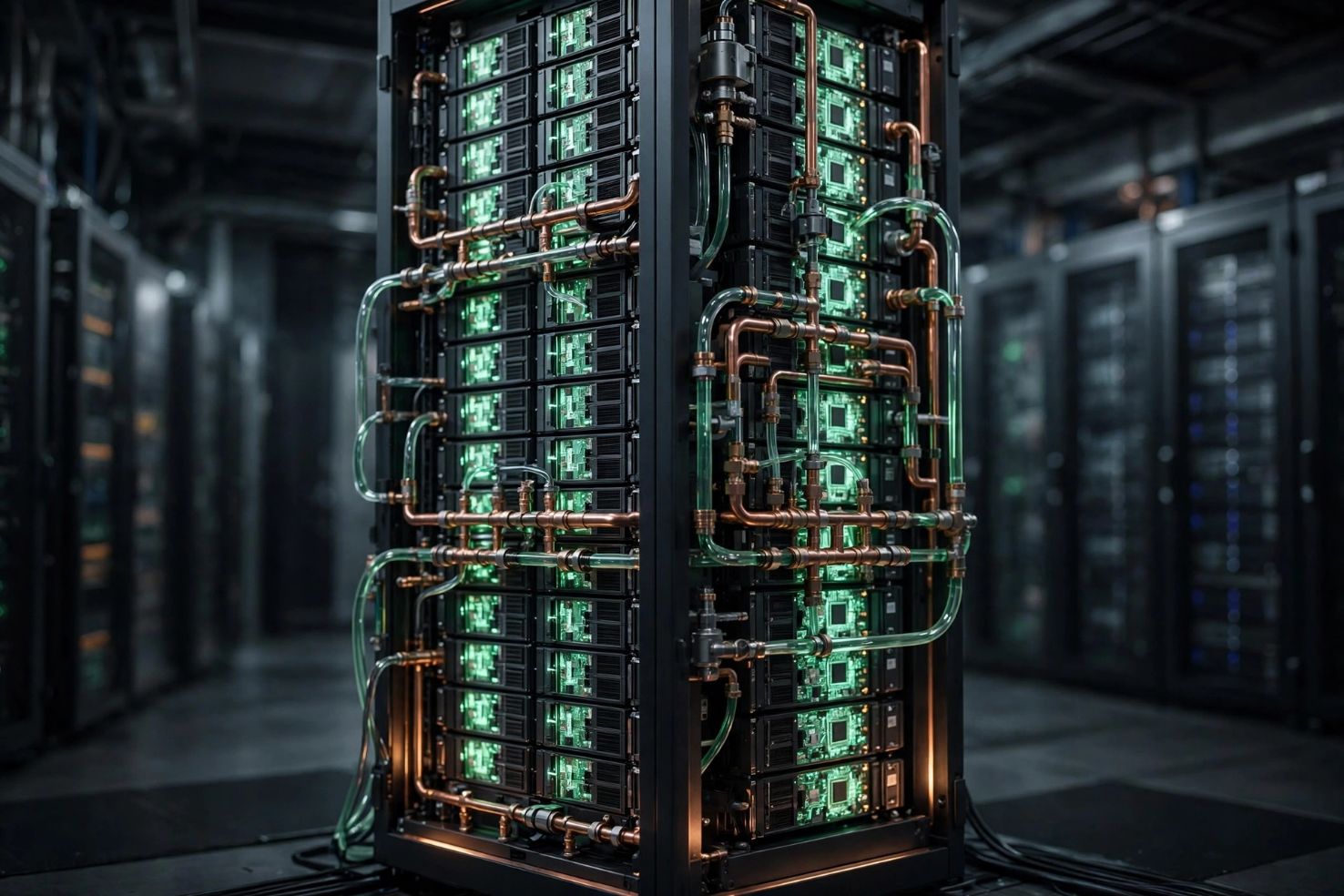
Supermicro and Dell just launched 256-CPU racks built for AI agents. Why the GPU-only data centre is rediscovering the humble CPU — and what it changes.
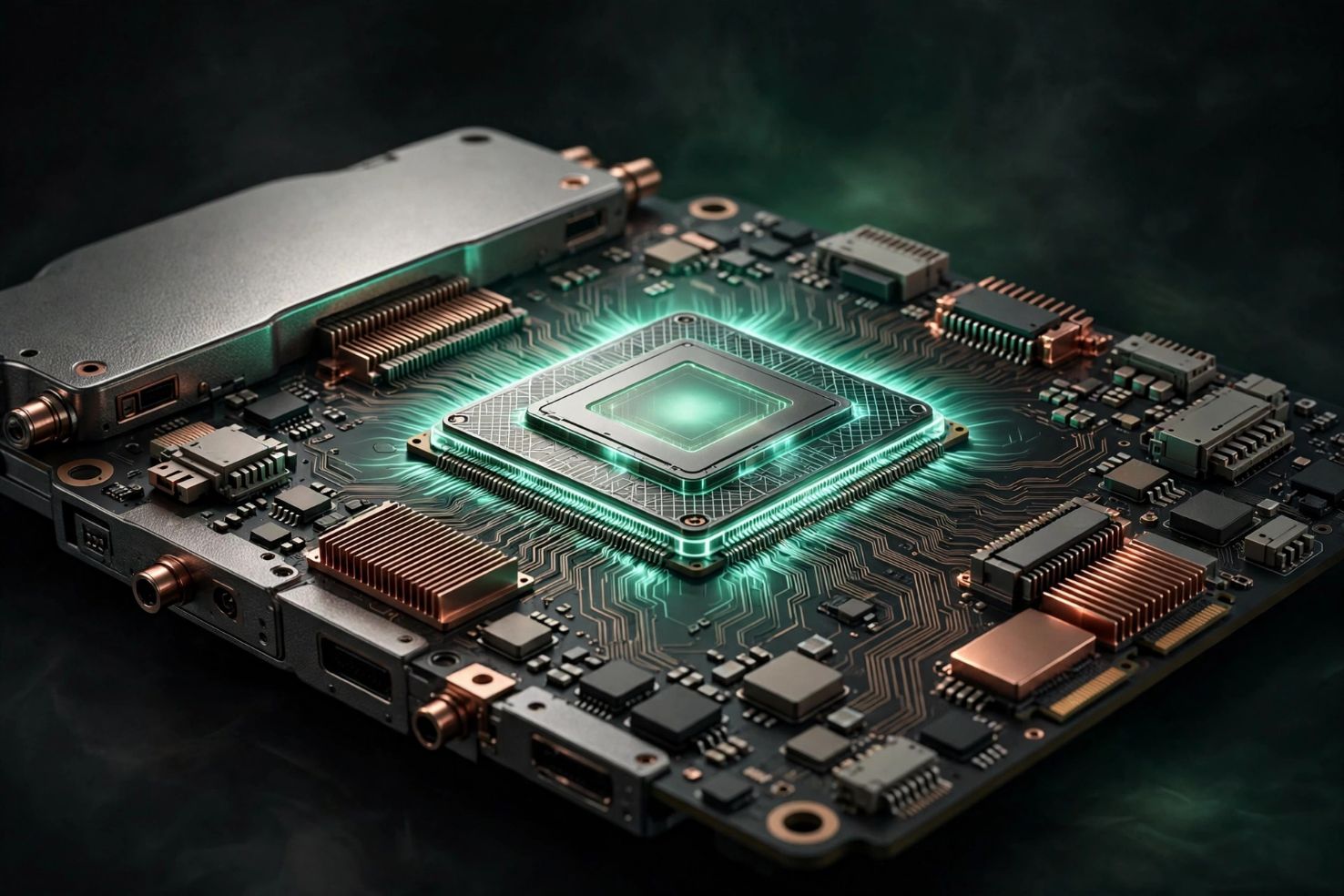
Five Japanese partners won NEDO funding to build 2nm inference chips for medical imaging — aiming for 5x faster scans at a tenth of the power by 2031.
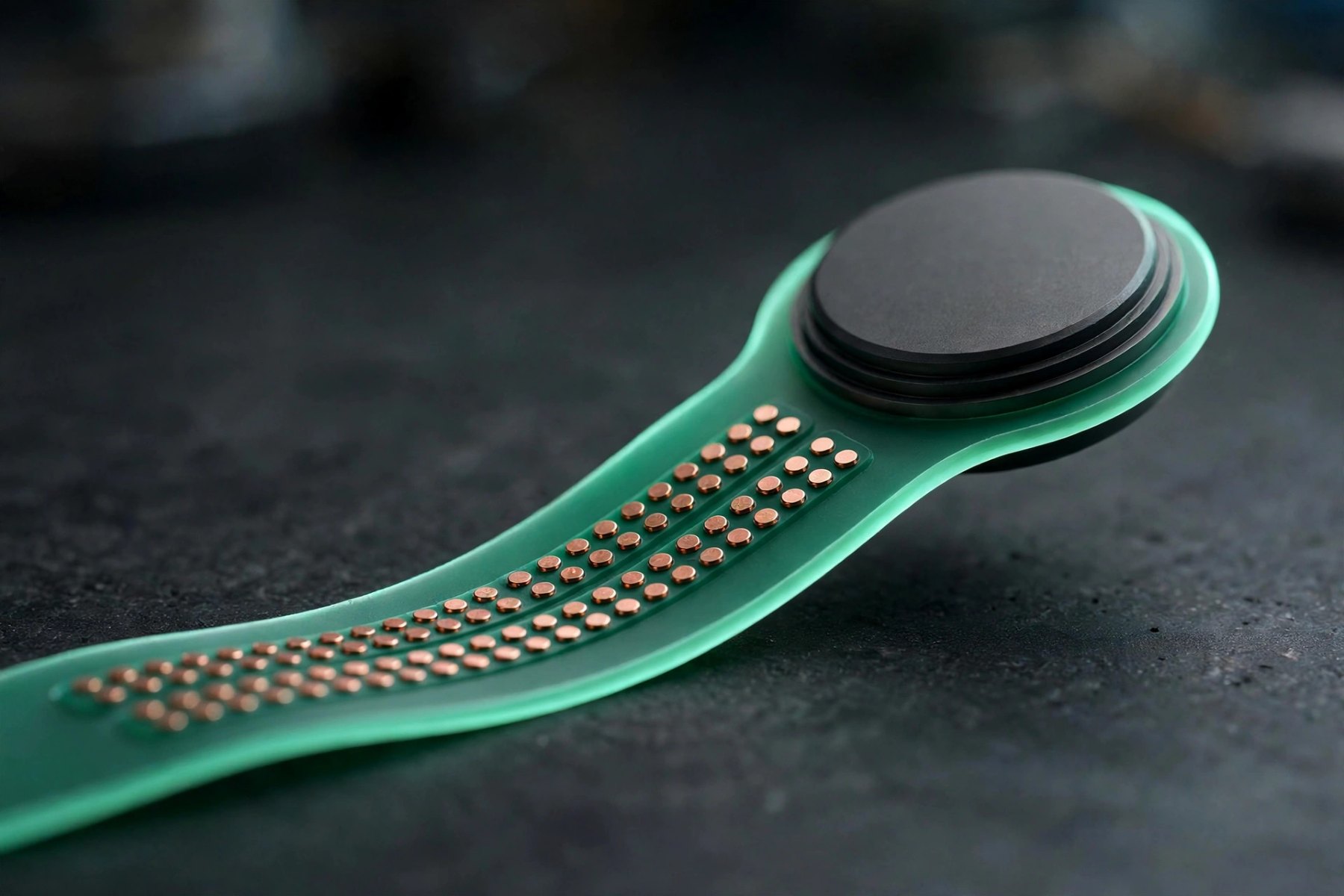
Phantom Neuro's Phantom X sits under the skin, reads the electrical signals of remaining muscles, and turns intent into wireless commands for a prosthetic limb.
Meta's referral gives both sides 1 billion Muse tokens — but it's US/Canada only, the 48-hour clock is strict, and the real value is smaller than claimed.

San Francisco's 45-day data center moratorium signals a turning point: the AI boom is colliding with power grids, water supplies, and local politics.
Open source pays real money: GSoC, Outreachy, MLH Fellowship and LFX offer students stipends for remote work. Your 2027 calendar and application playbook.

Microsoft's Maia 300, Meta's Broadcom chip deal and Google's TPU pacts: Big Tech is building its own AI silicon. What the chips promise — and the fine print.
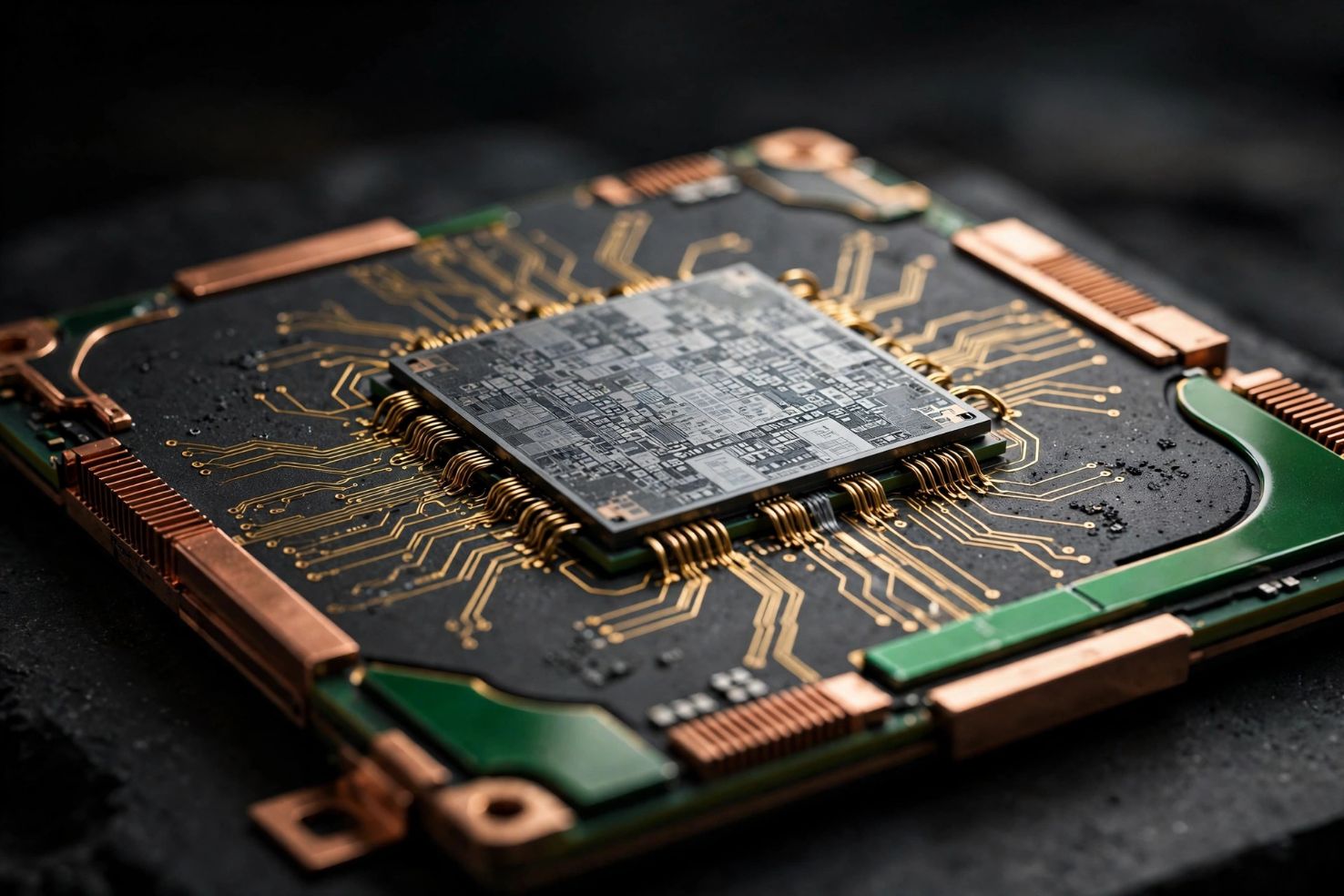
ByteDance is nearing a custom AI chip deal with MediaTek, blocked from NVIDIA's best hardware by US export rules. Inside AI's custom-silicon era.

NVIDIA's first PC chip: an Arm superchip with Blackwell graphics and 128GB of shared memory, on sale October 16. Specs, first reviews, and why rivals care.

Google put four AI chips in orbit on October 1 to test space-based data centers. SpaceX wants a million more. What the first flight is really proving.

ChatGPT, Gemini, Claude, Perplexity and NotebookLM all run free for students — plus the student-only deals worth claiming and the expired promos to ignore.

Verified students can claim thousands in free developer tools, cloud credits and software — most never do. What is on offer, how to qualify, and the catches.

Meta's 816B-parameter Muse Spark Open is downloadable and runs on two Mac Studios. The specs are real — so are the catches. What the week's open-AI wave means.

NVIDIA unveiled cuPotential at SEMICON West 2026, betting on 'AI-defined fabs.' We unpack what the benchmarks really show — and what they don't.
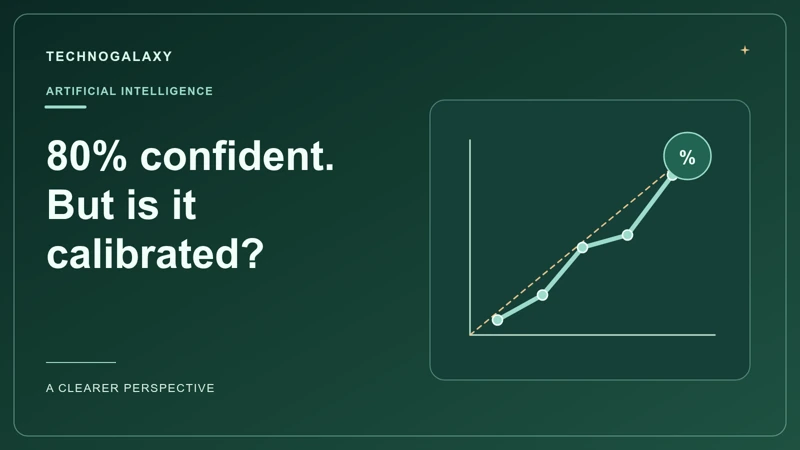
Distinguish calibration from classification accuracy, read reliability diagrams carefully, and evaluate calibrated models without leaking training information.
Learn how CSP nonces, script hashes and report-only deployment work, why static sites need choices, and where a browser policy cannot replace secure code.
Look inside DDR5 error correction, distinguish chip-internal protection from system-level ECC, and learn what scrubbing and repair features actually describe.
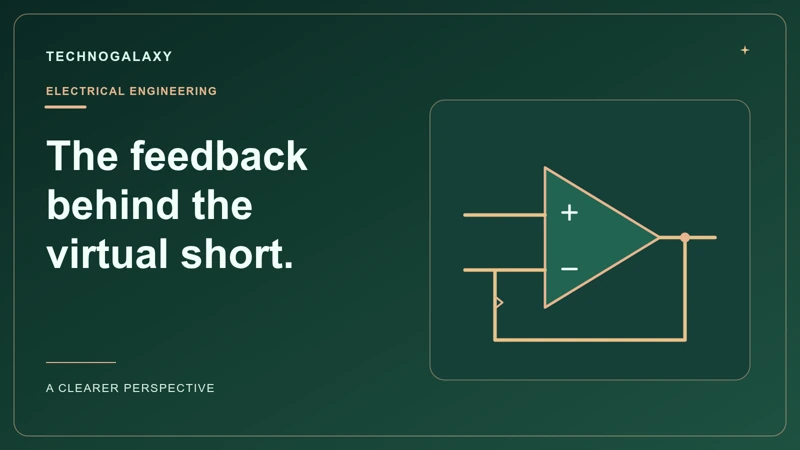
Understand how negative feedback brings op-amp input voltages close together, and why output limits and specifications still decide whether the circuit works.
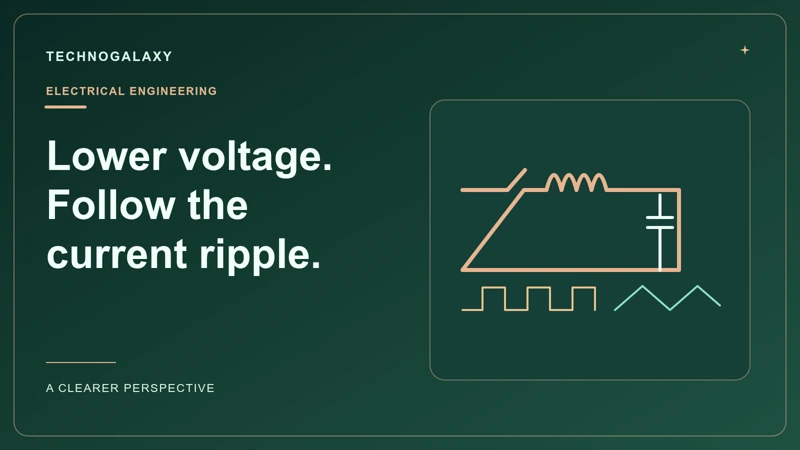
Follow the switching cycle of a buck converter, then connect duty cycle, inductor ripple and component limits without mistaking an ideal equation for a design.
Connect vibration measurements, condition indicators and machine-learning outputs without mistaking anomaly detection for a prediction of equipment failure.

Build a clearer evaluation plan for retrieval-augmented AI by separating search quality, supported answers and coverage instead of trusting one overall score.

Learn how maximum power point tracking uses panel voltage and current, why the best operating point moves, and where tracking algorithms face trade-offs.
Explore sampling rate, aliasing and anti-alias filters, and learn why a plausible digital waveform is not proof that the analog signal was captured correctly.
Understand no-load and winding losses, why loading changes efficiency, and how to compare transformers without mistaking a nameplate for a lifetime result.
Understand multi-link operation, wider channels and the compatibility checks that matter before upgrading a wireless network.
Follow the verifier-and-challenge mechanism that binds an OAuth code exchange to the client that started it—and understand its limits.
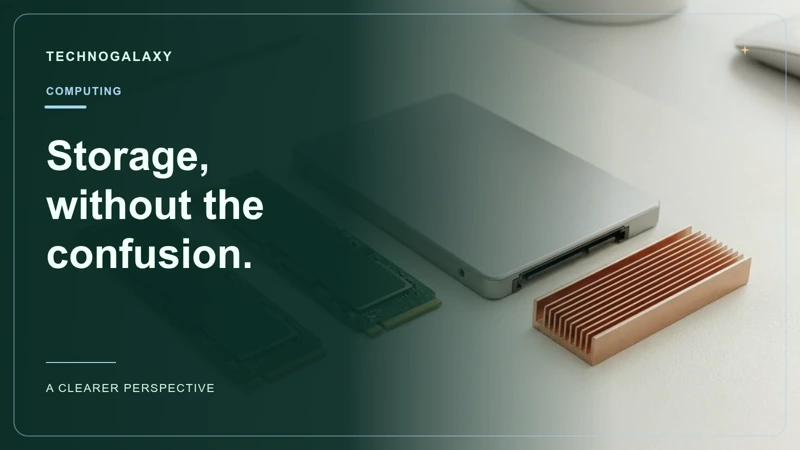
Separate the storage protocol from the drive’s physical shape, then check compatibility before choosing an SSD upgrade where M.2 can mean NVMe or SATA.
Learn what AVIF offers, why compression claims need context, and how to evaluate image quality and compatibility before changing formats.
Explore lower-precision weights, calibration and the evaluation needed before calling a compressed model ready for real use.
Explore NIST’s zero-trust model, separate identity from permission, and understand why network location alone should not establish trust.
Understand authentication, confidentiality and integrity in TLS 1.3, then separate a protected connection from a trustworthy website.
Learn how manifests, service workers and caches support app-like web experiences, and why offline availability needs deliberate design.
Follow a DNS lookup through resolvers, authoritative servers and caches, and learn why changing a record is not an instant global update.
Separate application packaging from workload management, then understand desired state, health checks and the limits of automatic recovery.
The web’s requests and responses keep familiar semantics while HTTP/3 maps them onto QUIC. A concise guide to the distinction in RFC 9114.
Matter is an IP-based smart-home protocol. Understanding its networking role helps you ask better questions before buying another connected device.
WebGPU gives web applications access to GPU rendering and computation. Here is what that changes—and the compatibility checks developers still need.
A practical look at the key pair behind passkey sign-ins, where the private key stays, and why account recovery still deserves your attention.
How semantic search connects an AI answer to relevant documents—and why finding a source is only the beginning of checking a claim.